Unveiling the Immense Scale of Humpback Whale Weight: A Marine Marvel
The ocean's depths conceal some of the most magnificent creatures on Earth, and among them, the humpback whale (
Megaptera novaeangliae) stands out as a true giant. Known for their acrobatic breaches, haunting songs, and incredibly long migratory journeys, these baleen whales command attention. But just how massive are they? Understanding the
Humpback Whale Weight provides a profound appreciation for their biology, their role in marine ecosystems, and the sheer power required for their iconic behaviors. If you've ever searched for the immense scale of these creatures in German, you might have come across the term "Buckelwal Gewicht" – directly translating to "humpback whale weight," highlighting the global fascination with these magnificent animals.
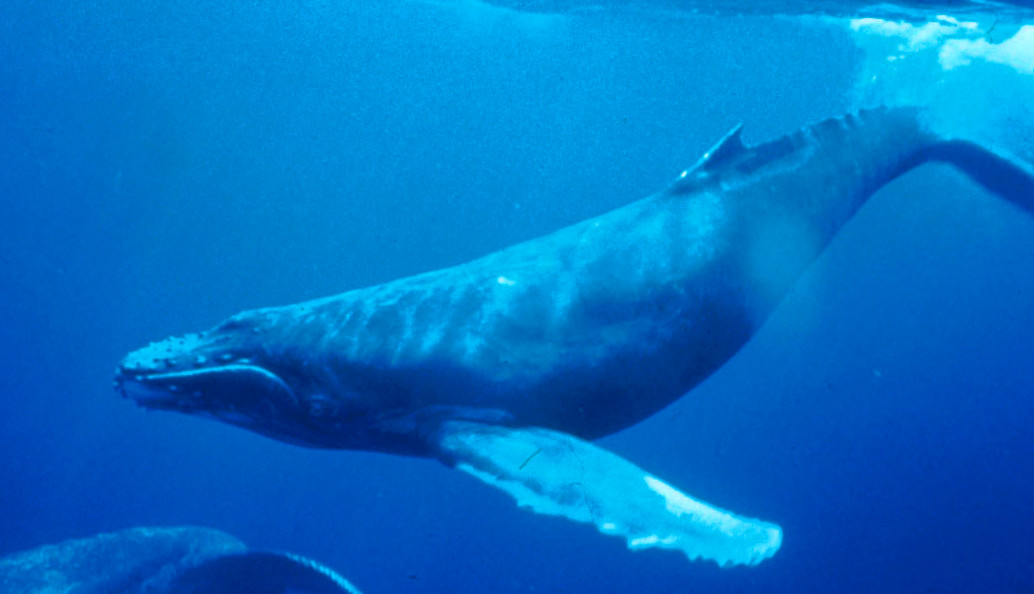
At first glance, their sheer size is almost unfathomable. These gentle giants, despite being considered relatively small among the great rorqual whales, are still colossal. An average adult humpback whale can stretch to about 13 meters (approximately 43 feet) in length, though some magnificent individuals have been recorded reaching up to 18 meters (nearly 60 feet). This immense length is matched by an equally impressive mass.
The Astonishing Scale of the Adult Humpback Whale
When we talk about adult
Humpback Whale Weight, we're discussing figures that would dwarf most other living beings on the planet. Fully grown humpbacks typically weigh in at a staggering 25 to 30 metric tons. To put that into perspective, 30 tons is roughly equivalent to the weight of:
- Five adult African elephants.
- Approximately 30 average-sized cars.
- Or even two fully loaded semi-trucks!
This incredible bulk is supported by a robust and powerfully built body, which, even among other rorquals (a family of baleen whales known for their throat pleats), is exceptionally strong. This formidable physique isn't just for show; it's essential for their survival, enabling them to undertake epic migrations, hunt vast quantities of prey, and perform their legendary breaches.
Their body coloration further adds to their unique appearance. Humpbacks are typically black on their upper sides, with varying patterns of white to black on their undersides and flanks. This coloration is highly individual, almost like a fingerprint, and can even be influenced by external factors. For instance, white spots often appear due to scar tissue from barnacle infestations, while golden-yellow diatoms can sometimes grow on their skin, particularly in colder waters. These physical markers, combined with distinctive knot-like skin thickenings called tubercles on their flat rostrums (snouts), each adorned with one or two bristles, make every humpback identifiable and fascinating to observe.
From Birth to Full Grandeur: A Humpback's Growth Journey
The journey from a vulnerable newborn to a 30-ton leviathan is one of the most remarkable growth stories in the animal kingdom. At birth, a humpback whale calf is already a substantial creature. Newborn humpbacks weigh around 900 kilograms (nearly a ton) and measure approximately four meters (13 feet) long. This initial size is crucial for survival, offering some protection from predators and aiding in temperature regulation in the cool ocean waters.
The first year of a humpback's life is dedicated to rapid growth, fueled by its mother's incredibly rich, fat-laden milk. This milk is so potent that calves can gain hundreds of pounds per day, a testament to the biological efficiency of whale lactation. After about a year, the young whale begins to transition to solid food, often forming groups with other juveniles as they learn to hunt and navigate independently. Humpback whale females typically give birth to a single calf roughly every three years, highlighting the significant investment of energy and time each mother dedicates to her offspring's development. This incredible transformation from birth to adulthood underscores the dynamic and rapid growth phases these marine mammals undergo. For a deeper dive into this fascinating process, explore our related article:
From 900 kg to 30 Tons: Humpback Whale Weight Evolution.
Factors Influencing Humpback Whale Weight and Size
While an average adult humpback can reach 25-30 tons, it's important to remember that these are averages. Several factors can influence an individual whale's exact weight and length:
- Age and Maturity: Young, still-growing whales will naturally weigh less than fully mature adults.
- Sex: Female humpbacks are generally slightly larger and heavier than males, particularly when they are pregnant.
- Geographical Location and Diet: The abundance of food in a particular feeding ground can impact a whale's overall condition and weight. Whales in nutrient-rich areas might be heavier than those in less productive regions.
- Health: Like any animal, a whale's health status, including parasitic load or injuries, can affect its body mass.
- Migration Cycle: Humpbacks feed heavily in cold waters and then fast during their migration to warmer breeding grounds. Their weight can fluctuate significantly throughout the year, being heaviest at the end of their feeding season.
A compelling example of this variability was highlighted by the measurement of a humpback whale near Niendorf in the Baltic Sea. Initially, this whale was estimated to be between 12 and 15 meters long and weighed approximately 15 tons. This particular measurement, while still substantial, fell below the typical adult weight range, suggesting it might have been a sub-adult or a whale in less optimal condition, demonstrating the practical difficulties in precise estimation. The sheer mass of these animals also presents significant challenges, especially in events like strandings. Moving a 15-ton animal, let alone a 30-ton one, is an immense task, compounded by the lack of strong tides in areas like the Baltic Sea that could help refloat the whale. To learn more about how their size and weight measurements are determined and their implications, see:
Humpback Whale Size & Weight: Up to 18m Long, 30 Tons Heavy.
Beyond the Numbers: Fascinating Humpback Characteristics
Beyond their impressive "Buckelwal Gewicht" and length, humpback whales possess a suite of fascinating biological features that contribute to their unique identity and behavior. One of their most distinctive traits is their incredibly long pectoral fins, or "flippers," which can reach up to a third of their total body length. These flippers, often adorned with barnacles, are crucial for steering, balance, and the powerful lunges associated with their famous bubble-net feeding technique.
Their oral cavity is equipped with 14 to 20 throat pleats, extending from their chin to their navel, which expand dramatically to engulf enormous volumes of water and prey. Inside their mouths are 270 to 400 coarse baleen plates on each side, which can grow up to a meter long. These plates act as a giant sieve, filtering small fish and krill from the water. The two blowholes, centrally located on their head, allow them to exhale with a powerful, noisy plume.
These incredible creatures are also remarkable for their longevity, with experts estimating a lifespan of up to 90 years. This long life, combined with their intricate social structures, complex vocalizations, and spectacular surface behaviors like breaching and tail slapping, makes humpback whales truly iconic marine inhabitants. Their massive weight and powerful musculature are precisely what enable these awe-inspiring displays, allowing them to propel tons of flesh out of the water with seemingly effortless grace.
Conclusion
The
Humpback Whale Weight is more than just a number; it's a testament to the grandeur of marine life and the incredible adaptability of creatures that thrive in the vastness of our oceans. From their relatively humble beginnings as 900-kilogram calves to their full adult splendor of up to 30 tons, humpback whales are engineering marvels of the natural world. Their robust bodies, powered by immense strength, enable them to perform their spectacular ocean ballets and embark on some of the longest migrations on Earth. Understanding their immense scale, along with their unique characteristics and life cycles, deepens our appreciation for these gentle giants and reinforces the critical importance of protecting their habitats for future generations to witness their awe-inspiring presence.